
Air Conditioning for Homes is becoming an increasingly practical option for UK households as summer temperatures rise and indoor spaces become uncomfortable. Many homes are designed to retain warmth during colder months, but this can make it difficult to keep rooms cool when the weather gets hotter.
From bedrooms that remain warm overnight to conservatories that become difficult to use, overheating can affect everyday comfort. Understanding why homes get too hot can help homeowners choose suitable ways to manage indoor temperatures.
Why Do UK Homes Overheat in Summer?
Several factors can cause indoor temperatures to rise during warm weather.
1. Poor Ventilation
Without enough airflow, warm air can become trapped inside a property. This is particularly common in rooms with limited windows or restricted ventilation.
Opening windows at the right time can help, but it may not be enough during particularly hot periods.
2. Direct Sunlight Through Windows
Sunlight entering through south-facing and west-facing windows can increase indoor temperatures. Large windows and glass doors can allow significant heat into living spaces.
Blinds, curtains and external shading can help reduce direct sunlight.
3. Poor Insulation and Heat Retention
Insulation is important for keeping homes warm in winter, but properties can also retain unwanted heat during summer. Roof spaces, walls, and upper-floor rooms may become particularly warm.
4. Heat from Electrical Appliances
Ovens, televisions, computers, and other electrical equipment release heat while operating. Using several appliances at once can make an already warm room less comfortable.
How Can You Keep Your Home Cool?
There are several practical steps homeowners can take to improve indoor comfort.
- Keep curtains and blinds closed during the hottest part of the day.
- Open windows when outdoor temperatures are cooler.
- Reduce unnecessary use of heat-producing appliances.
- Use fans to improve air circulation.
- Consider suitable shading for large windows.
- Avoid using ovens and other heat-producing appliances during the hottest hours where possible.
These measures can help, although they may not provide enough cooling during extended periods of hot weather.
Is Air Conditioning a Good Solution for UK Homes?
Modern air conditioning systems provide controlled cooling and can help maintain a more comfortable indoor temperature.
Unlike a basic fan, which mainly moves existing air around, an air conditioning unit removes heat from indoor air and transfers it outside.
This can be particularly useful in bedrooms, home offices, living rooms, and properties where natural ventilation is limited.
Homeowners considering a permanent cooling system can explore professional air conditioning installation to understand which type of unit may suit their property.
Choosing the Right Air Conditioning System
The right system depends on the size of the room, the layout of the property and how frequently cooling is required.
Split Air Conditioning Systems
Split systems usually include an indoor unit and an outdoor unit. They are suitable for cooling individual rooms and can provide consistent temperature control.
Multi-Split Systems
A multi-split system can connect several indoor units to one outdoor unit. This may be suitable for households that want cooling in multiple rooms.
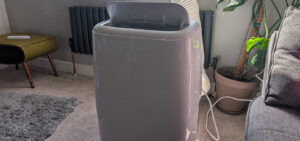
Portable Air Conditioning Units
Portable units can be moved between rooms and may suit people who do not want a permanent installation. However, they usually require an exhaust hose and may be less effective or efficient than a properly selected fixed system.
You can read more about different options in this air conditioning guide.
Can Air Conditioning Help Reduce Indoor Humidity?
Many modern air conditioning systems also help remove moisture from indoor air while cooling a room.
High humidity can make warm conditions feel more uncomfortable because sweat does not evaporate as easily from the skin. Reducing excess humidity can therefore improve the overall feeling of comfort.
However, air conditioning should not be treated as a replacement for resolving serious damp or ventilation problems.
Why Professional Installation Matters
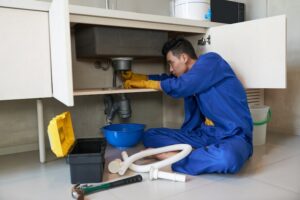
Choosing the correct system is only one part of the process. Proper installation also plays an important role in performance, safety, and long-term reliability.
A professional installer can assess room size, cooling requirements, unit positioning and drainage arrangements. Correct sizing is particularly important because an unsuitable system may struggle to maintain the desired temperature or use more energy than necessary.
Regular maintenance can also help keep filters clean and ensure the system continues to operate effectively.
Final Thoughts
UK summers can make indoor spaces uncomfortable, particularly in homes that retain heat or have limited ventilation. Simple changes such as using blinds, improving airflow and reducing heat from appliances can make a difference.
For households that need more consistent temperature control, modern cooling systems can provide a practical solution. The right option will depend on the property, room requirements and budget.
For advice on cooling options and home comfort, visit Reliant LDN to learn more about its services.