
Freezing weather can cause serious problems for your home’s plumbing. When water freezes inside a pipe, it expands and puts pressure on the pipe walls. This can lead to cracks, burst pipes, water leaks, and costly repairs.
Taking a few simple steps before temperatures drop can help you prevent frozen pipes and protect your home throughout winter. Whether you live in a house or a flat, preparing your plumbing system early can save you time, money, and stress.
Reliant LDN LTD provides plumbing services in West London. In this guide, we share seven practical ways to protect your pipes and keep your plumbing working during cold weather.
1. Insulate Exposed Pipes
One of the easiest ways to protect your plumbing is to insulate pipes that are exposed to cold air. Pipes in lofts, garages, cupboards, basements and other unheated areas are particularly vulnerable during freezing weather.
You can use suitable foam pipe insulation, often called pipe lagging, to help reduce heat loss and lower the risk of freezing.
What you can do:
- Check pipes in unheated areas before winter begins.
- Fit the correct size of foam insulation around exposed pipework.
- Pay attention to pipes near external walls and cold draughts.
- Check that existing insulation is secure and in good condition.
Insulation is a simple preventative measure that can help reduce the chance of winter plumbing problems.
2. Keep Your Home Warm
Keeping your home at a steady temperature helps protect pipes from freezing. This is especially important if pipework runs through cupboards, loft spaces or walls that receive little heat from the rest of the property.
Try to maintain a suitable indoor temperature during cold spells, including overnight. If you plan to leave your home empty, avoid switching the heating off completely during freezing conditions.
A few useful steps include:
- Set your heating to maintain a safe minimum temperature.
- Keep internal doors open where this helps warm air circulate.
- Check rooms that are rarely used.
- Make sure vulnerable pipes are insulated, even if your home is heated.
These simple winter plumbing tips can help reduce the risk of frozen pipes without requiring major changes to your home.
3. Fix Dripping Taps and Small Leaks
A dripping tap may seem like a minor issue, but it can indicate a problem that needs attention before winter arrives. Small leaks around joints, valves and pipe connections can also become more serious if a pipe freezes or cracks.
Check taps, visible pipework and connections under sinks for signs of moisture. Look out for damp patches, water stains and unexplained drops in water pressure.
Do not ignore:
- Dripping indoor or outdoor taps.
- Loose pipe connections.
- Small leaks beneath sinks.
- Water marks on ceilings or walls near plumbing.
Repairing these problems early helps keep your plumbing in better condition and makes it easier to spot new issues during cold weather.
4. Protect Outdoor Taps and Garden Pipework
Outdoor taps and pipes are directly exposed to low temperatures, making them more likely to freeze during a cold spell.
Before winter, disconnect garden hoses and, where possible, isolate and drain outdoor taps according to the tap’s design. Fit a suitable outdoor tap cover if recommended for your installation.
You should also check pipework in sheds, garages, and other external areas that are not heated.
If you have an outdoor tap with an internal isolation valve, make sure you know how to use it safely. If you are unsure how to drain the pipework, ask a qualified plumber for advice.
5. Know Where Your Main Stop Tap Is
If a pipe freezes and then bursts, knowing where your main stop tap is can make a big difference. Turning off the water supply quickly can help limit flooding and damage to floors, walls, and furniture.
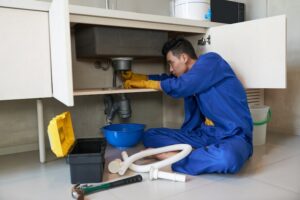
The stop tap is often found under the kitchen sink, although its location varies between properties. Check that you can reach it easily and that it turns properly.
Before winter arrives:
- Locate your main stop tap.
- Make sure everyone in the household knows where it is.
- Check that it can be operated safely.
- Keep the contact details of a trusted plumber nearby.
Being prepared means you can respond more quickly if a plumbing emergency occurs.
6. Take Care of Your Boiler and Heating System
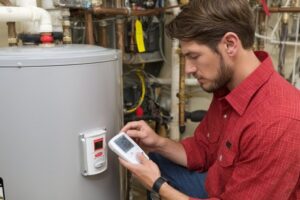
Your boiler and heating system help keep your home warm during winter, so it is worth checking that they are working properly before the coldest weather arrives. Booking a professional boiler service in West London can help identify potential issues and keep your heating system running efficiently.
Arrange regular servicing with a suitably qualified heating engineer. If your boiler displays an error code, loses pressure repeatedly, or stops providing heat, seek professional advice rather than repeatedly resetting it.
Pay particular attention to the external condensate pipe on a condensing boiler. This pipe carries wastewater away from the boiler and can freeze in very cold conditions, causing the boiler to stop working.
To reduce the risk:
- Check that the condensate pipe is installed and insulated appropriately.
- Arrange repairs if you notice damage or loose fittings.
- Follow your boiler manufacturer’s guidance.
- Contact a qualified engineer if your heating stops working and you are unsure why.
Regular maintenance can help identify potential problems before they leave you without heating or hot water.
7. Prepare Your Plumbing Before Going Away
Leaving your home empty during freezing weather can increase the risk of damage because a problem may go unnoticed for several days.
Before travelling, check the weather forecast and make sure your home is prepared for the expected temperatures.
Use this simple checklist:
- Keep the heating on at a suitable low setting during freezing weather.
- Insulate exposed pipes and check for visible leaks.
- Know where the stop tap is located.
- Ask a trusted neighbour to check your property if you will be away for an extended period.
- Follow professional advice about isolating the water supply if your property will be unoccupied.
These precautions can help you prevent frozen pipes and reduce the risk of returning home to a burst pipe or water damage.
What Should You Do If a Pipe Freezes?
Even with good preparation, pipes can still freeze during severe weather. Recognising the signs early can help prevent further damage.
Common warning signs include reduced water flow, no water from a tap, visible frost on exposed pipes, and unusual noises in the plumbing system.
If you suspect a frozen pipe:
- Turn off the water supply at the main stop tap.
- Open the affected tap to allow water to escape as the pipe thaws.
- Use warm towels or a hot water bottle to thaw the pipe slowly, if it is safely accessible.
- Never use a blowtorch, naked flame, or other direct high heat.
- Check for leaks once the pipe has thawed, and contact a plumber if you are unsure or find damage.
If a pipe has burst, turn off the water supply and switch off the boiler if it is safe to do so. If water has reached electrical equipment, do not touch the equipment or enter the affected area; seek appropriate emergency assistance.
A qualified plumber can assess the damage and carry out the necessary repairs.
Final Thoughts
Freezing weather does not have to lead to plumbing damage. Insulating exposed pipes, keeping your home warm, fixing leaks, and preparing before travelling can all help protect your plumbing system during winter.
If you want to know more about how to prevent frozen pipes in winter, start by checking the vulnerable areas in your home before temperatures drop. Small preventative steps can make a real difference when the weather turns cold.
For homeowners who need professional help, Reliant LDN LTD provides plumbing services in Chiswick and across West London. Contact the team if you need assistance with a plumbing issue or want to prepare your system for the colder months.