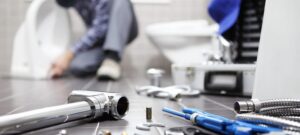

Blocked sinks, overflowing toilets and leaking pipework often build from small habits or warning signs. Slow drainage, recurring smells and a dripping valve are easier to address before wastewater backs up or water damages another flat.
London homes can add complexity through older pipework, compact layouts, shared stacks and limited access. Prevention combines sensible use, routine observation and prompt professional investigation when a problem keeps returning.
Reliant LDN provides local plumbing and heating services across West London.
Keep Fats and Food Out of Kitchen Drains
Cooking fats, oils and grease cool inside pipework and collect food particles. Wipe pans before washing and dispose of grease appropriately rather than pouring it down the sink with hot water. Sink strainers can catch solids, but they still need regular emptying and cleaning.
Control Hair and Soap Build-Up
Hair combines with soap residue in shower and basin traps. Use suitable guards, remove accessible debris and clean user-serviceable traps in line with the fitting instructions. Avoid repeated use of harsh chemicals, which may damage finishes or create hazards for anyone later opening the pipework.
Only Flush Appropriate Materials
Toilets and drainage systems are designed for human waste and toilet paper. Wipes, sanitary products, nappies and cleaning cloths can block the property or shared drainage even when packaging suggests they are flushable. Provide a covered bin so occupants and guests have a practical alternative.
Act on Slow Drainage Early
One slow outlet may have a local trap or branch blockage, while several slow fixtures can suggest a wider problem. Note gurgling, smells and which appliances are affected. Early information helps a plumber choose the right investigation rather than forcing a generic tool into every drain.
Check for Hidden Leaks
Monitor meter readings, boiler pressure, damp patches, swollen joinery and unexplained sounds of running water. Small leaks can travel behind finishes before appearing. In flats, water may affect another property first, so know the location of the main stop valve and building emergency contacts.
Protect External Pipes in Cold Weather
Exposed pipework and outside taps are more vulnerable to freezing. Appropriate insulation, secure external covers and isolation arrangements can reduce risk. If a pipe is frozen, avoid naked flames or uncontrolled heat; obtain advice before thawing so a split is not turned into a major leak.
Maintain Gutters and Surface Drains
Leaves and debris can block external gullies, causing rainwater to collect near doors and walls. Keep accessible areas clear without entering unsafe roofs or confined spaces. Persistent flooding may reflect damaged drainage, poor levels or capacity issues that need professional assessment.
Know What to Do in an Emergency
If water is escaping, isolate the supply only when it is safe and accessible, switch off affected electrical circuits if advised and protect occupants from the area. Do not use electrical equipment near water. Contact a plumber with the property address, source, isolation status and any access restrictions.
What to Prepare Before Requesting a Quotation
A useful quotation begins with accurate information. Photos and measurements can help an initial conversation, but they do not replace a survey where condition, access, compliance or hidden construction affects the recommendation. Prepare:
- the outcome you want and the problem you need to solve
- relevant photographs, drawings, manuals or previous reports
- known defects, changes and earlier repair or installation history
- access limits, operating hours and important programme dates
- questions about scope, exclusions, warranties and aftercare
Call a Local West London Plumber
Reliant LDN can investigate recurring drainage problems, leaking pipework and urgent plumbing faults across West London. Addressing repeat symptoms properly is usually more effective than relying on temporary chemical or patch repairs.