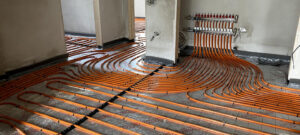

A warm and cozy home is essential for your everyday health. Traditional radiators often heat rooms unevenly, leaving uncomfortable cold spots behind. Modern homeowners are upgrading to hidden climate systems for better results.
Installing underfloor systems completely transforms how you experience your living areas. It distributes gentle, radiant warmth across your floors without taking up wall space. This setups ensures consistent comfort while lowering your monthly utility bills.
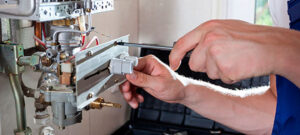
Achieving a flawless, reliable installation requires technical skills and deep planning. Working with certified heating teams ensures your system performs safely for decades. This comprehensive guide outlines how professional technicians upgrade your indoor living environment.
Why Professional Under Floor Heating Installers Matter for Your Home
Setting up radiant climate systems requires far more than laying down heating pipes. Expert Under Floor Heating Installers understand how to design layouts that match your property perfectly.
Tailored Heat Loss Calculations
- Analyzes Room Dimensions: Engineers calculate the unique insulation qualities of your walls and windows first. This step determines the ideal heating output required for each zone.
- Sets Correct Pipe Spacing: Technicians adjust the gaps between water pipes based on structural needs. Proper spacing stops cold patches from developing on finished floors.
- Balances Fluid Dynamics: Specialists calibrate water pressure across separate pipe circuits accurately. Balanced flow ensures rapid, uniform heat delivery to every room corner.
Seamless Floor Surface Integration
Professional Under Floor Heating Installers know how different floor finishes react to continuous heat.
- Protects Hardwood Planks: Technicians control temperature limits to stop natural wood from warping. Safe thermal thresholds preserve your premium flooring materials perfectly.
- Optimizes Stone Tiles: Installers ensure rapid thermal transfer through ceramic or marble surfaces. Stone surfaces retain comforting heat long after systems turn off.
- Adjusts Underlay Thickness: Experts pick appropriate carpet underlays to avoid blocking rising heat. Proper materials allow warmth to pass through fabrics smoothly.
Industry Insights Highlight the Value of Radiant Heating
Data from top international building institutes underscores the benefits of radiant heating. Quality installations protect your heating budgets and lower household energy consumption.
| Heating Performance Metric | Authoritative Industry Source | Real-World Impact for Homeowners |
| Up to 25% Energy Savings | Energy Saving Trust (EST) | Radiant systems operate at lower water temperatures than radiators while delivering identical comfort. |
| Over 15% Property Premium | Nationwide House Price Index | Invisible, modern climate systems add substantial aesthetic and financial value to homes. |
| 100% Floor Heat Distribution | Building Research Establishment (BRE) | Radiant floor setups eliminate indoor drafts by warming rooms gently from the ground up. |
Technical Overview: Water-Based vs. Electric Systems
Understanding the core differences between heating styles helps you pick the right system. Modern installations offer distinct performance advantages based on your specific room dimensions.
1. Hydronic Water Systems
Hydronic setups utilize a network of flexible pipes connected directly to your boiler. They represent the most efficient option for comprehensive whole-house heating upgrades.
- Low Running Costs: Water systems run efficiently on lower temperatures, saving money daily. They pair beautifully with modern condensing boilers for maximum efficiency.
- Long-Term Durability: High-grade polymer pipes resist corrosion and scaling inside the screed layer. They are designed to last as long as your building structure safely.
2. Electric Mat Systems
Electric systems utilize thin heating cables woven into mesh mats. They are ideal for quick bathroom renovations where floor height is limited.
- Minimal Floor Build-Up: Ultra-thin wire mats slip directly into tile adhesive layers easily. They avoid the need to raise existing door thresholds or skirting boards.
- Rapid Heat Delivery: Electric cables warm tile surfaces quickly when turned on. They provide instant barefoot comfort on cold winter mornings.
Crucial Steps in Executing a Flawless Floor Installation
A professional installation follows a strict sequence to guarantee long-term reliability. Knowing these steps helps you manage your home project with confidence.
1. Robust Thermal Insulation Laying
- Prevents Downward Heat Loss: Installers lay high-density insulation boards across concrete bases first. Insulation forces all generated warmth to rise directly into your rooms.
- Reflects Radiant Energy: Specialized foil backings bounce heat waves upward into living zones. Efficient reflection stops energy from wasting in subfloor dirt layers.
2. Rigorous System Pressure Testing
- Checks Joint Integrity: Engineers pressure-test pipe networks with water before pouring screed floors. Testing ensures no hidden leaks exist within the floor structure.
- Maintains High Pressure: Systems stay pressurized while liquid screed cures to prevent pipe crushing. Safe monitoring protects the internal water pathways from damage.
Enhancing Efficiency with Intelligent Climate Controls
Upgrading your system controls allows you to maximize comfort without wasting fuel. Smart tools give you complete command over separate room temperatures.
1. Advanced Multi-Zone Thermostats
- Heats Specific Spaces: Smart systems let you warm occupied rooms while keeping empty spaces cooler. Custom zoning stops energy waste across large houses.
- Learns Household Routines: Modern controllers adjust heating cycles based on your weekly habits automatically. They ensure rooms are cozy right when you arrive home.
2. Intelligent Weather Compensation
- Monitors Outdoor Temperatures: External sensors track changing outdoor weather patterns in real-time. This data helps systems adjust before your home cools down.
- Stabilizes Indoor Climates: Automatic adjustments eliminate sudden temperature spikes inside your living zones. Stable output keeps fuel use smooth and highly cost-effective.
Reliant LDN LTD: Your Premier West London Heating Experts
When you want to upgrade your home, working with local professionals is vital. Based in Chiswick, Reliant LDN LTD delivers elite home comfort transformations across West London. The expert team provides fully trained, licensed, and insured engineering services for every residential project.
If you are looking for experienced Under Floor Heating Installers near me, their skilled staff provides custom system layouts tailored to your property boundaries. They manage every phase flawlessly, from initial thermal math to final smart thermostat integration. Whether you need to integrate a water-based system with a premium Vaillant boiler or set up multi-room climate zones, they deliver outstanding results. Partnering with Reliant LDN LTD guarantees exceptional workmanship, transparent support, and long-term heating efficiency for your family.
Conclusion: Take Action to Secure Lasting Home Warmth
Your home’s heating system directly impacts your family’s daily comfort and financial budget. Relying on old, inefficient radiators drives up monthly fuel bills while leaving rooms drafty. Upgrading to an invisible radiant floor setup removes wall clutter and cold patches permanently. Trusting certified Under Floor Heating Installers near me ensures your project complies fully with modern building standards. Take decisive steps today to convert your property into a cozy, energy-efficient sanctuary.